ServicesAPI design · ERP & CRM integration · Event streaming
Systems integration & APIs
Connect the systems you keep to the ones you build — reliably.
ERP, CRM, identity, payments, telematics, health records: new software only works if it talks to what's already there. We design APIs and integration layers that keep data consistent and survive outages on either side.
What we deliver
- API specifications (OpenAPI / AsyncAPI)
- Integration services and connectors
- Monitoring and alerting for every interface
- Data migration plan and tooling
How we work
Three things we hold to on every integration project.
Contracts first
Interfaces are specified and agreed before code, so teams can build in parallel.
Design for failure
Retries, idempotency and dead-letter queues; nothing is lost when a partner system goes down.
One source of truth
Clear ownership of every piece of data, so systems never argue about it.
Tools we use
Node.js · NestJS · Java · Spring · Kafka · PostgreSQL · Keycloak
Related work
Integration in practice.
- Control TowerLogisticsSampleA real-time dispatch platform that lets one team see, decide and act on every vehicle in the network.

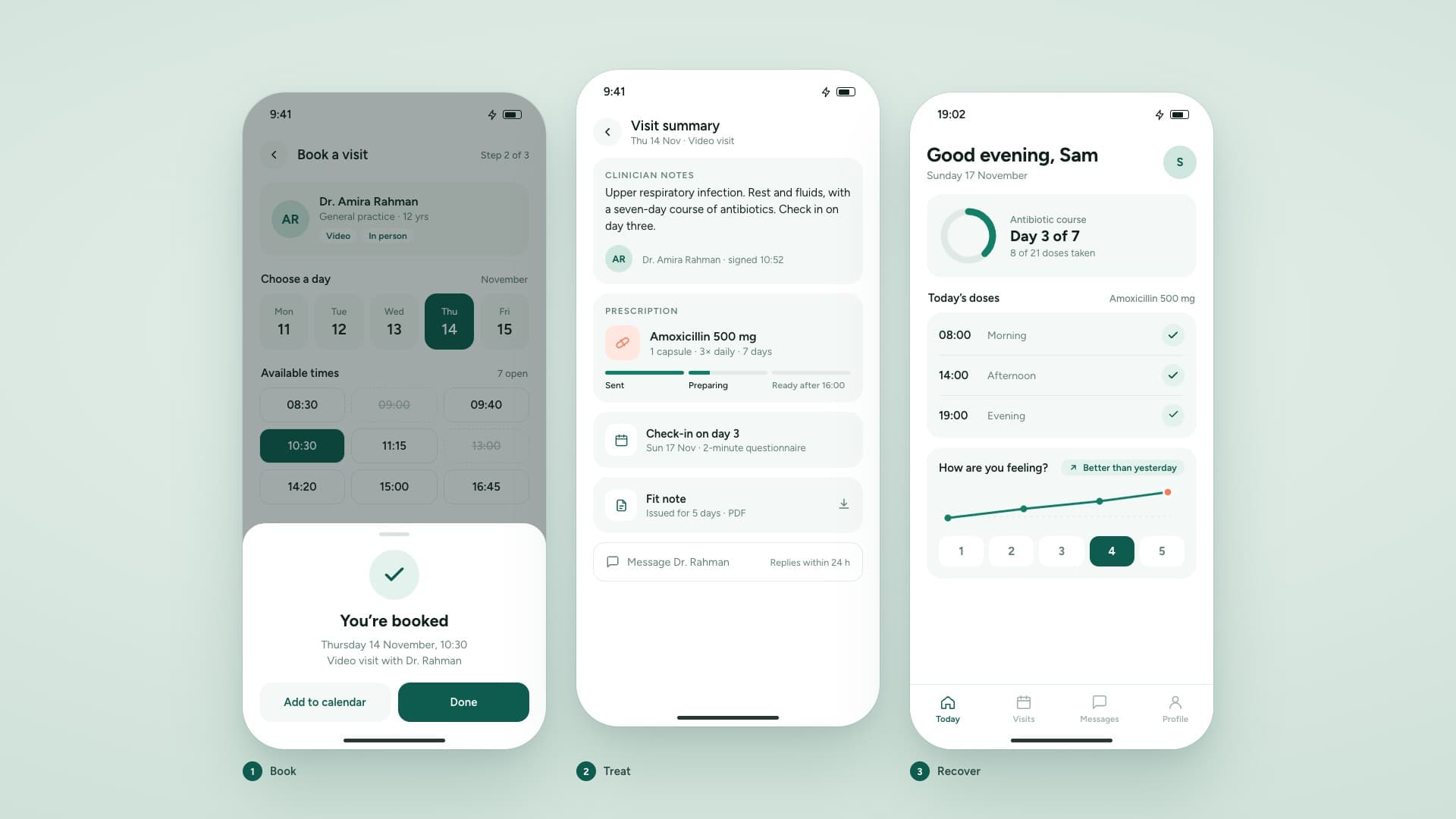
- Care JourneyHealthcareSampleA patient app and clinician portal that connect booking, treatment and recovery in one journey.
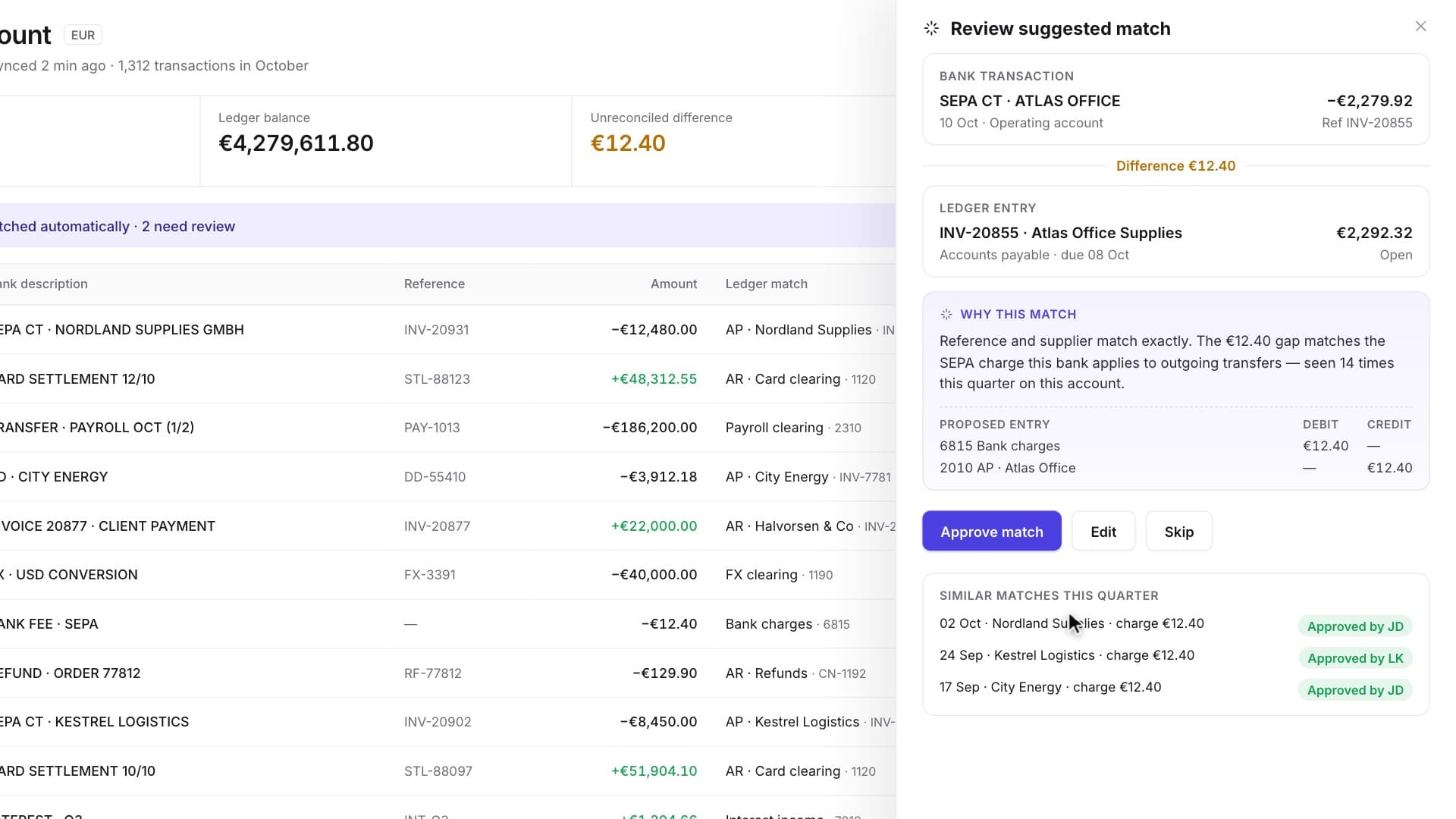
- Month-End CloseFinanceSampleAutomated reconciliation that replaced a spreadsheet-driven close with one auditable system.
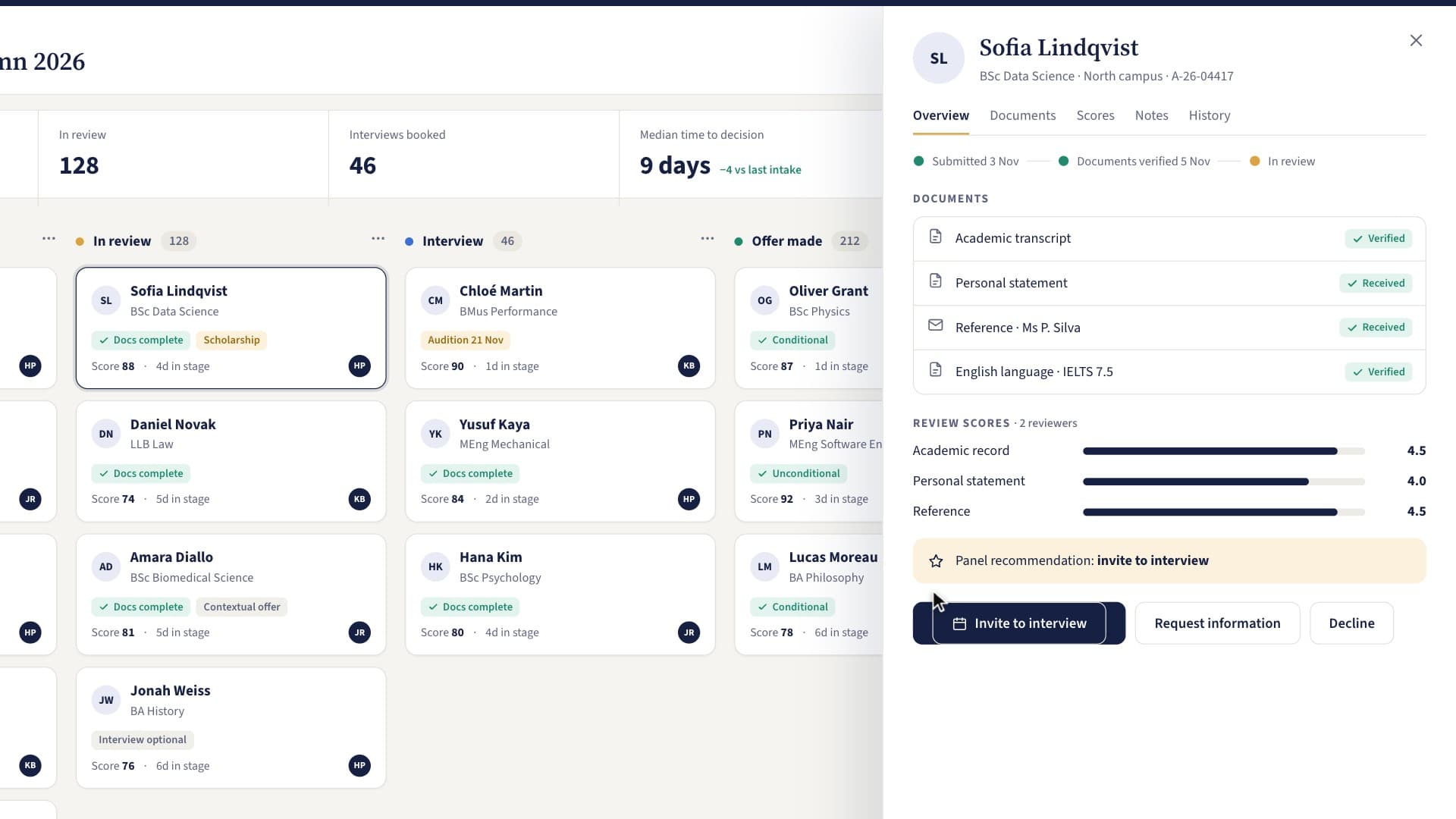
- AdmissionsEducationSampleA single digital front door for applications, reviews and offers across every campus.
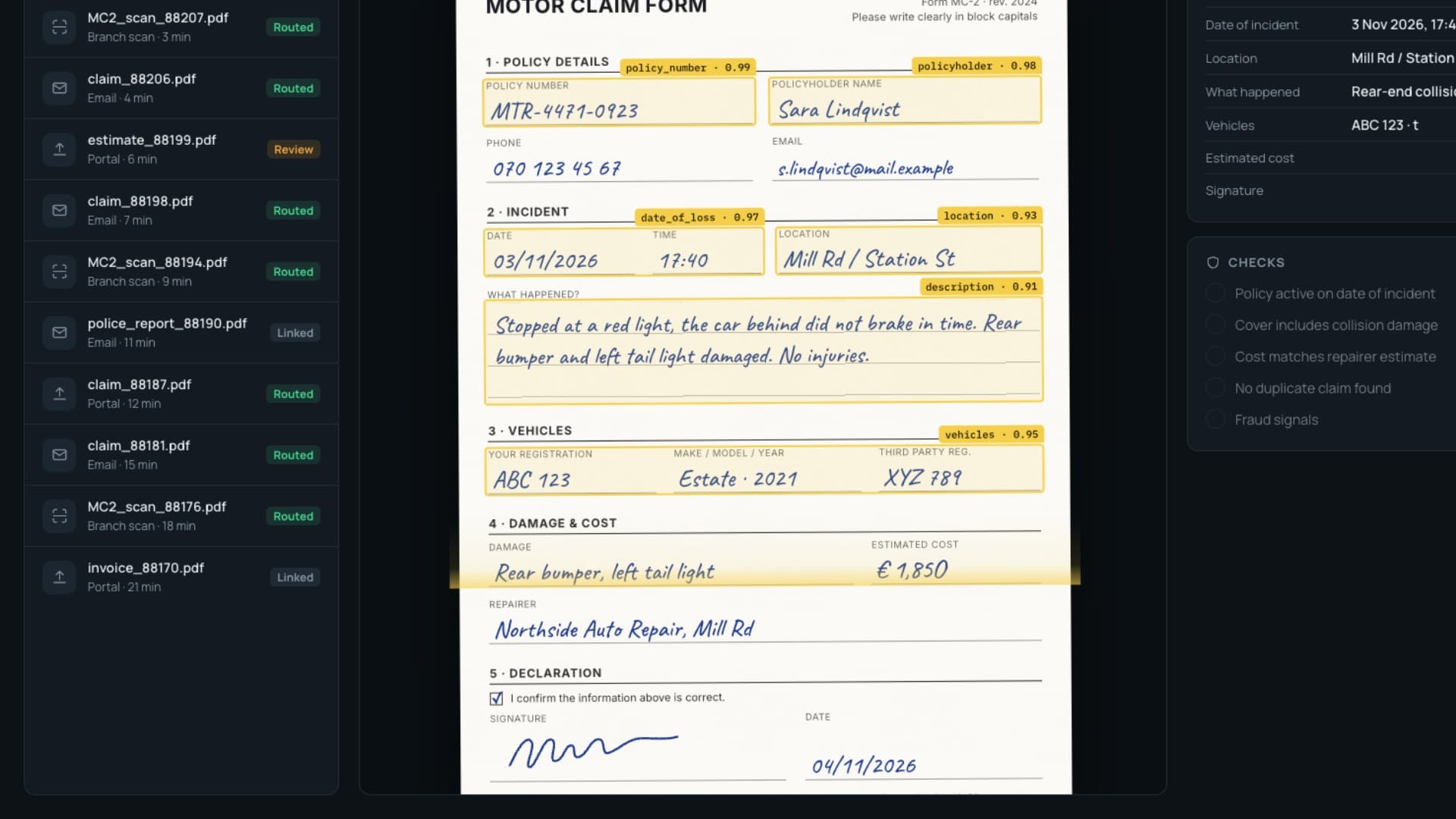
- Claims IntakeInsuranceSampleDocument AI that reads incoming claims, checks them against policy rules and routes them in minutes.
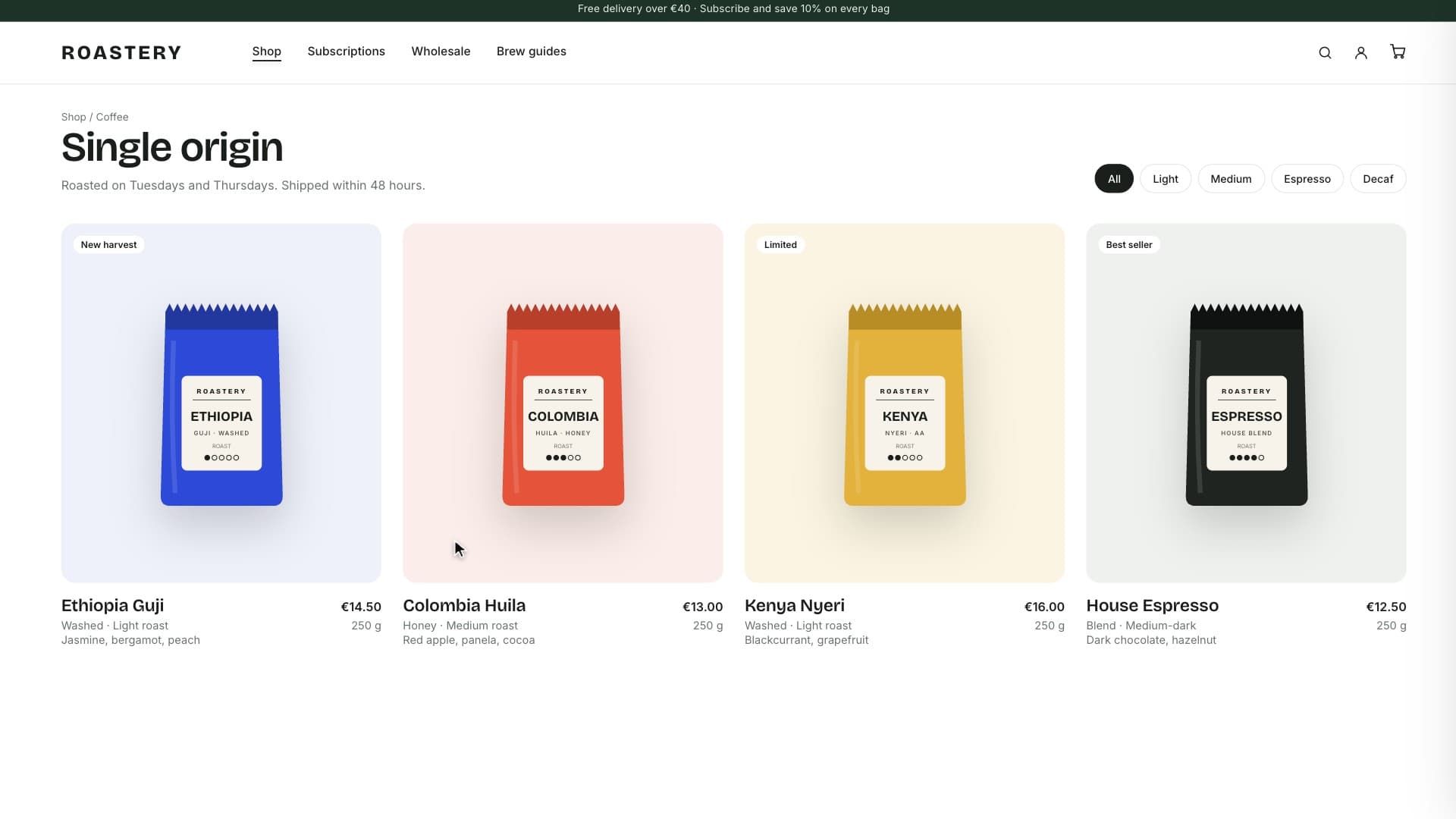
- Commerce CoreRetail & e-commerceSampleOne platform for direct-to-consumer sales, subscriptions and wholesale, connected to the roastery floor.
Questions
Our ERP has no modern API. Can you still integrate?
Usually yes — through database views, file exchange or middleware — wrapped in a clean API the rest of the system can rely on.
Do you work with HL7 / FHIR, EDI or open banking?
Yes. Sector standards sit behind adapters, so the core system stays clean and the standard can evolve independently.